The Stations of the Cross are a traditional Christian devotion that commemorates the final journey of Jesus Christ from his condemnation to his burial. The practice invites prayerful reflection on Jesus’ suffering and sacrifice and is most commonly observed during Lent, particularly on Fridays, and especially on Good Friday. However, Stations of the Cross can be observed any time of year at St. John Chrysostom. Everyone, is welcome to walk our outdoor stations at any time of year.

What the Stations of the Cross Are
- The devotion consists of 14 stations, each representing a specific moment in Jesus’ Passion.
- Worshippers move physically or spiritually from station to station, pausing to pray and meditate at each one.
- Stations are often displayed as artworks or plaques around the interior or exterior of a church.
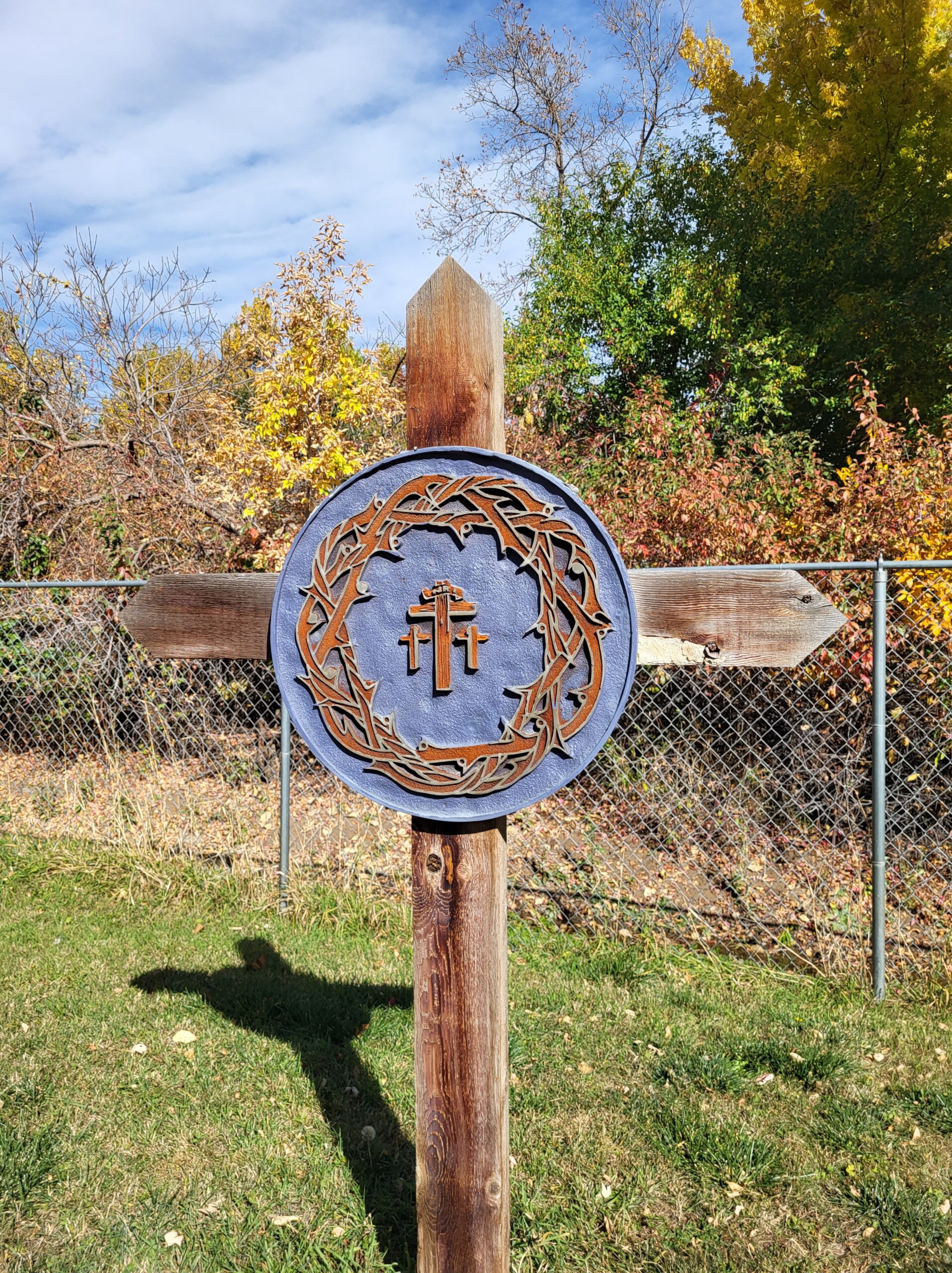
The Traditional 14 Stations
- Jesus is condemned to death
- Jesus takes up his cross
- Jesus falls the first time
- Jesus meets his mother, Mary
- Simon of Cyrene helps Jesus carry the cross
- Veronica wipes the face of Jesus
- Jesus falls the second time
- Jesus meets the women of Jerusalem
- Jesus falls the third time
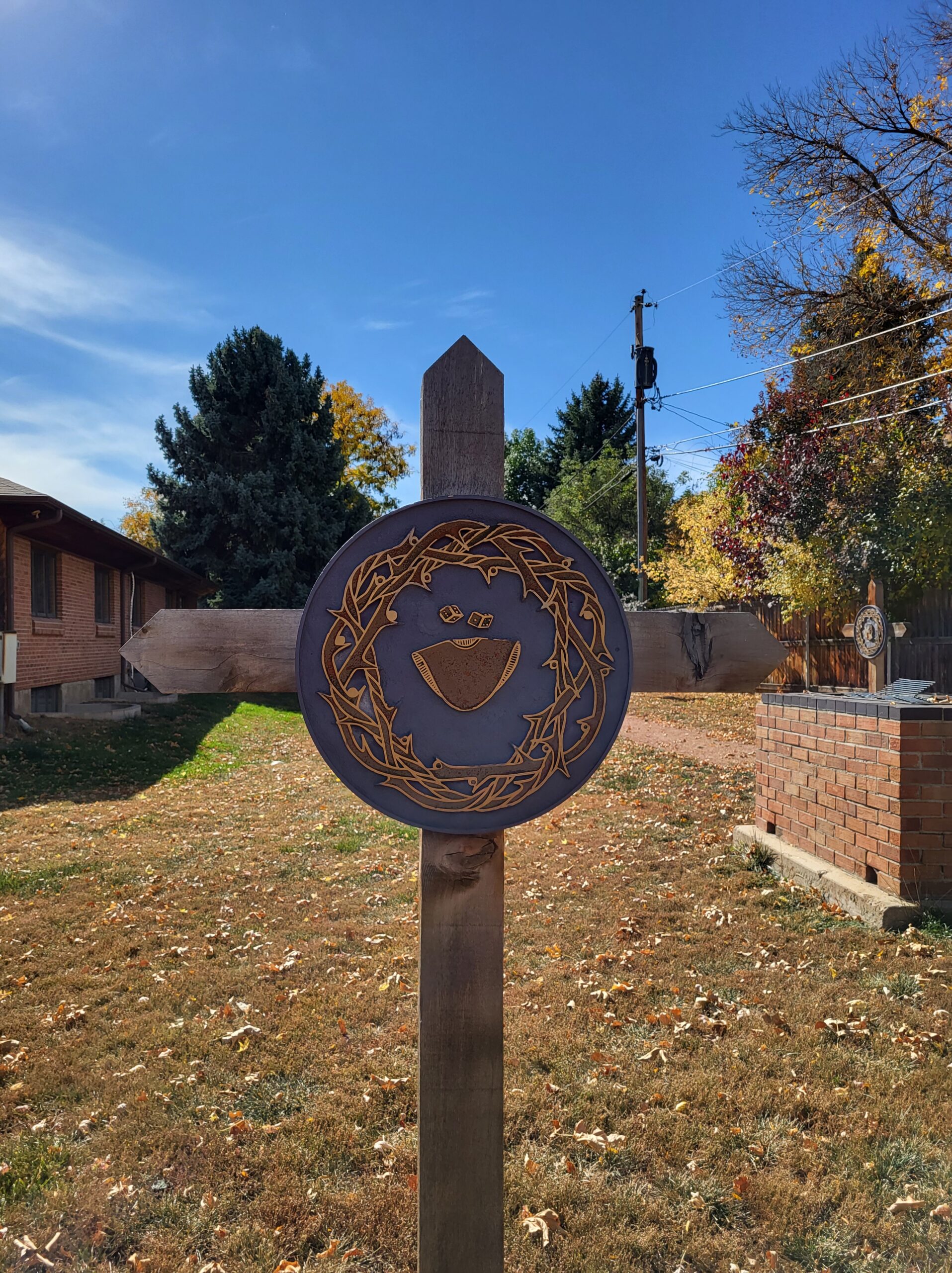
- Jesus is stripped of his garments
- Jesus is nailed to the cross
- Jesus dies on the cross
- Jesus is taken down from the cross
- Jesus is laid in the tomb
Origins and History
- The Stations developed from early Christian pilgrimages to Jerusalem, where believers followed the actual path Jesus walked—known as the Via Dolorosa (“Way of Sorrow”).
- During the Middle Ages, Franciscan friars helped spread the devotion throughout Europe so people who could not travel to the Holy Land could still participate.
- By the 18th century, the 14-station format became standardized.
Purpose and Meaning
The Stations are meant to help believers:
- Meditate on Christ’s suffering and love
- Reflect on human suffering and compassion
- Consider themes like sacrifice, forgiveness, humility, and perseverance
- Connect Jesus’ Passion with their own life struggles
It is less about historical reenactment and more about spiritual reflection.